Preventive age care and the natural manicure
Small everyday habits, comfortable skin and beautifully simple nails.
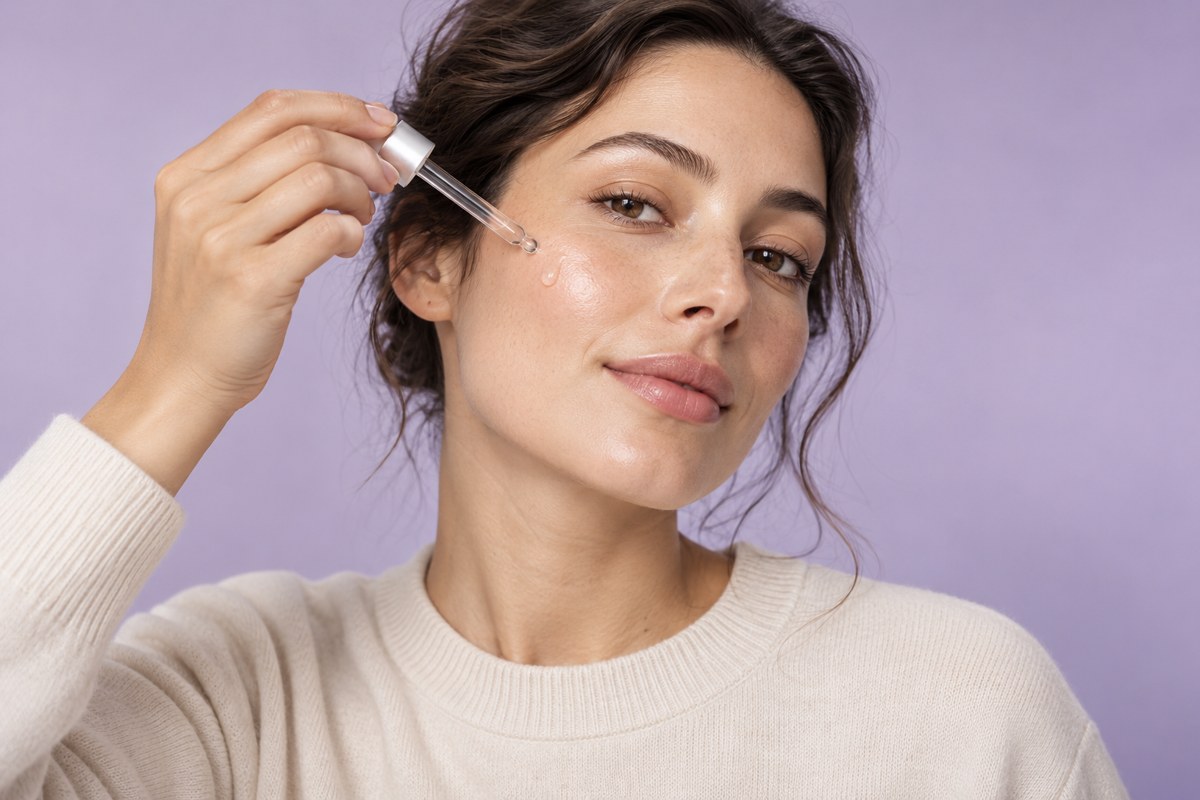
Preventive age care can be a calm routine rather than a race to collect actives. Daily sun protection, moisturizing and gentle cleansing are useful foundations. Focus on keeping skin comfortable and protecting it from avoidable exposure, instead of treating every expression line as a problem.
The essentials
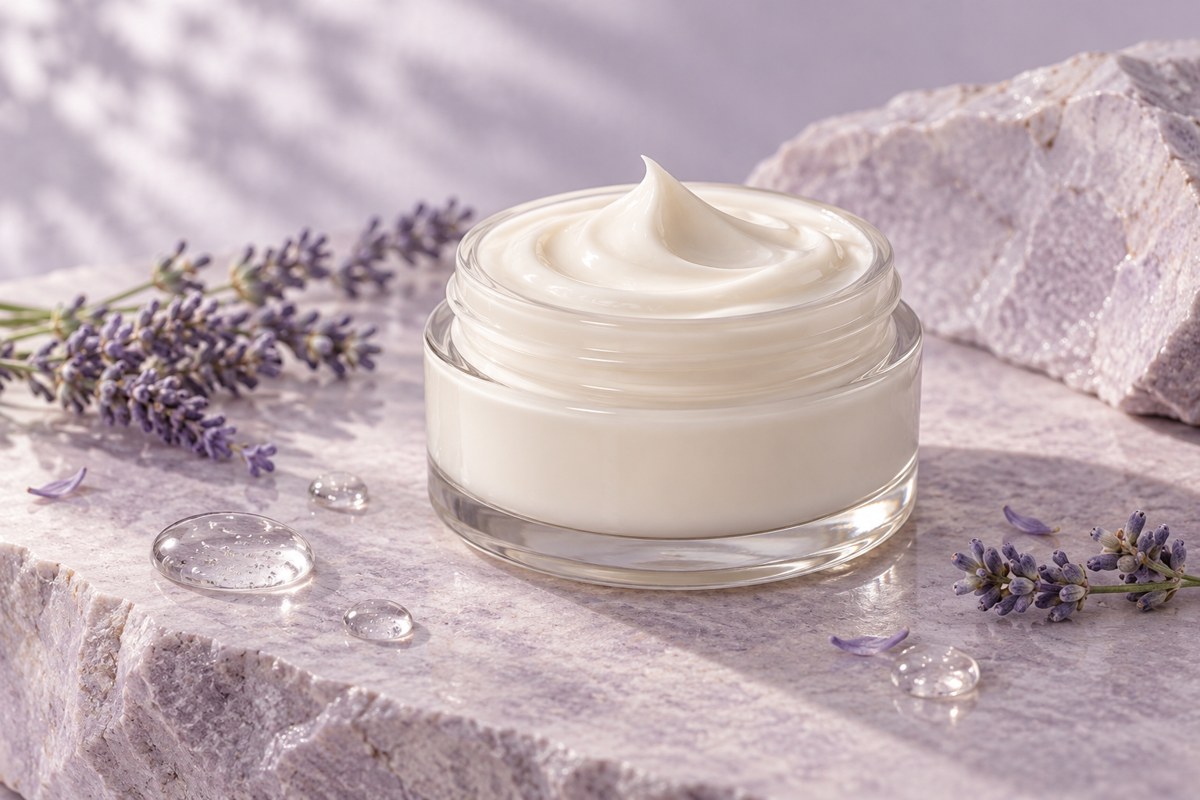
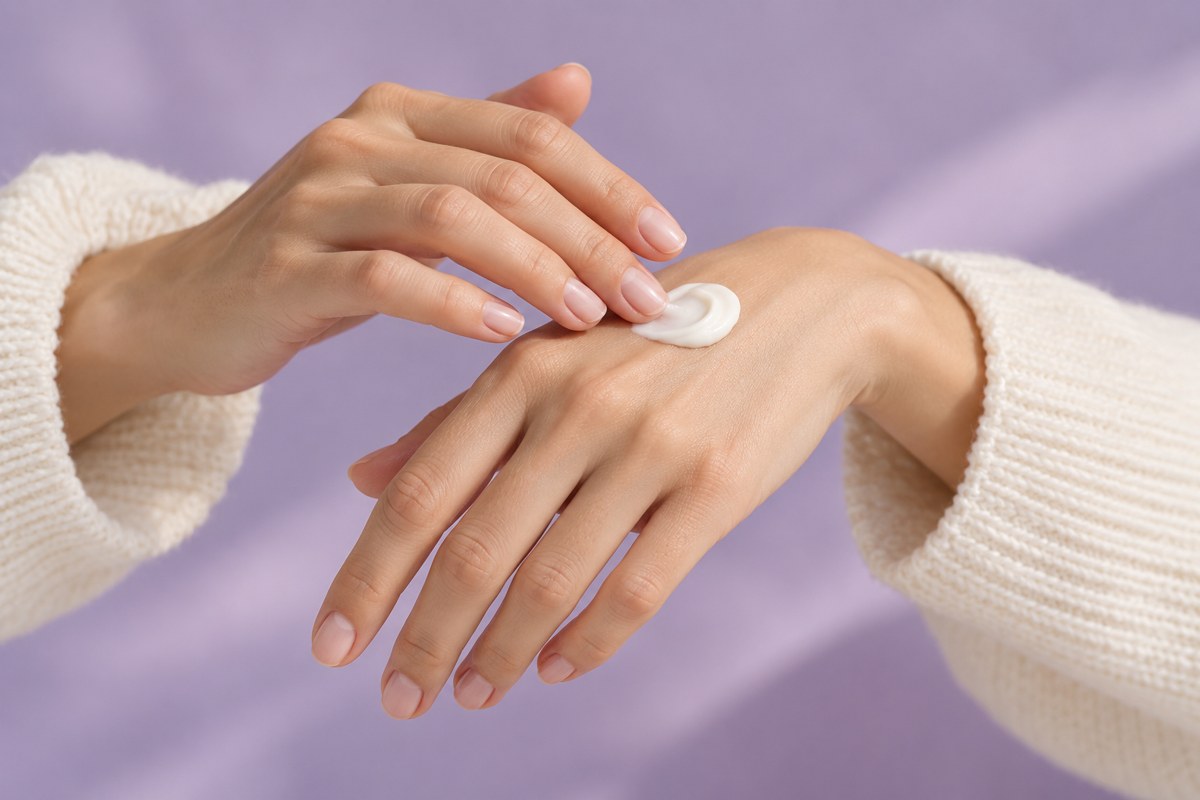
Hands deserve the same thought as the face. Keep hand cream nearby and reapply when skin feels dry, especially after washing. Include exposed hands in your sun-protection routine. A rich evening cream can make the ritual feel more luxurious without needing a complicated sequence.
The natural manicure complements this approach: short or comfortably shaped nails, tidy edges and a sheer or clear finish if you enjoy polish. Use a file gently and keep your tools clean. Avoid cutting or forcefully pushing back cuticles; they help protect the area around the nail.
Give dryness some attention before adding another coating. Moisturize nails and the surrounding skin after removing polish. If nails are painful, discolored or persistently changing, get advice rather than hiding the issue under a fresh manicure. The goal is cared-for hands that fit everyday life.
Define prevention as a routine you can keep
Preventive age care is easiest to understand as limiting avoidable exposure and keeping skin comfortable. It does not require an age at which everyone must start the same serum, and it is not a promise that normal changes can be stopped. Select everyday products around your skin and habits. A sunscreen you use as directed and a moisturizer you enjoy applying are more useful to your routine than several impressive bottles that remain unopened.
Look at the practical moments when care is missed: leaving the house quickly, washing hands several times or forgetting about exposed areas. Put the products where those decisions happen, and keep the sequence small enough to repeat. Cosmetic care can be considered without treating your appearance as a problem to fix. A comfortable routine should make everyday choices simpler, not create a constantly expanding list of things you think you should be doing.
Give hands a place in the everyday ritual
Use hand cream when the skin feels dry, with particular attention after washing or other drying tasks. The best texture may depend on timing: a lighter feel can be convenient at a keyboard, while a richer cream may suit an evening ritual. Compare comfort and usability rather than assuming a hand cream needs a complicated active-ingredient story. A small tube near a sink or in a bag can be easier to remember than an elaborate treatment stored elsewhere.
Include exposed hands in sun-protection habits and follow the product directions for use and reapplication. The hand-care routine does not need a separate product for every part of the day. If a cream stings or leaves skin uncomfortable, reconsider it instead of layering more fragrance over the sensation. Skin that remains cracked, painful or irritated needs appropriate advice; repeated cosmetic experimentation is unlikely to clarify what is happening.
Plan a natural manicure around shape and finish
Choose a nail length that feels practical for your daily tasks, then refine rough edges gently with a clean file. A natural look can be completely bare, clear-coated or softly tinted; none of those choices is a measure of how well you care for yourself. Aim for a shape you can maintain without constantly catching edges. If you enjoy polish, use it and its remover according to their instructions, rather than trying improvised household substitutes.
Moisturize the nail and surrounding skin after removing polish. Treat cuticles gently instead of cutting or forcing them back to create a more dramatic outline. In a salon, it is reasonable to ask how tools are cleaned and to choose a professional who explains the process. An attractive color does not make hygiene less relevant. Avoid using an artificial covering simply to hide a painful or persistently changing nail; first understand what needs attention.
Keep the kit small and the claims realistic
A simple kit can include a gentle file, hand cream, a nail moisturizer or cuticle oil you tolerate, and optional sheer polish. Buy additional treatments only when they address a clear need. “Strengthening” on a bottle should prompt questions about what the product does and how to use it, rather than an assumption that harder nails are always better. A cosmetic finish and a treatment for a nail problem are different decisions.
Check the outcome in terms of everyday comfort: are the edges tidy, does the length work for you and is the surrounding skin comfortable? You do not need a high-shine finish to make the routine count. If discoloration, pain or a persistent change develops, seek advice and keep track of the products you used. Preventive care and a natural manicure work well together because both can prioritize repeatable habits, practical choices and a finish that feels like your own.
Recommended care
What to use: broad-spectrum SPF 30 or higher, a hand cream, and a simple nail moisturizer or cuticle oil that you tolerate well.
For the finish: a gentle nail file and optional sheer polish. A clear or natural look is an aesthetic choice; it does not require a strengthening treatment with unverified promises.